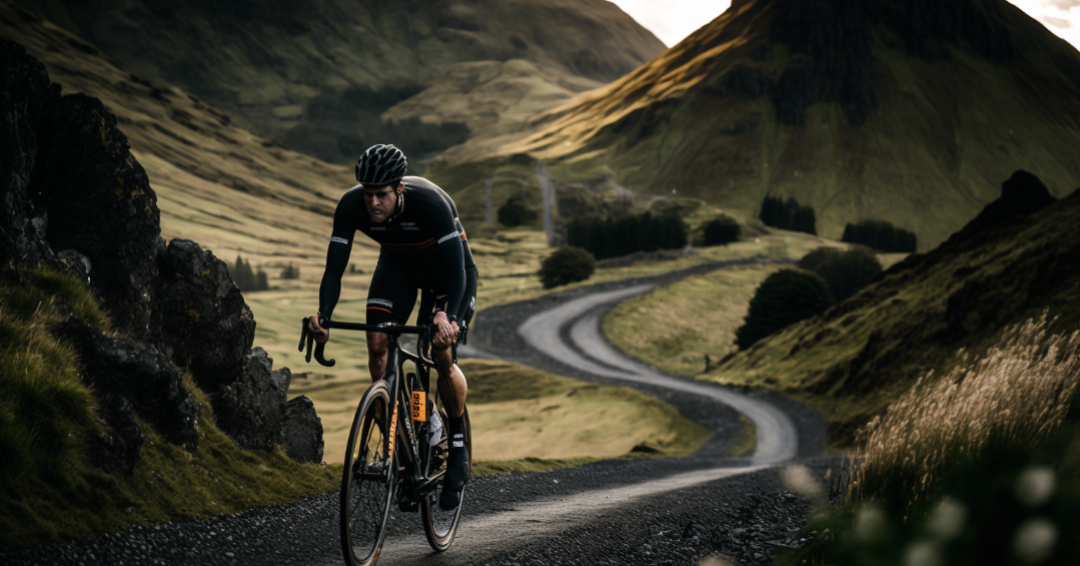
Gravel cycling in 2026 isn’t a niche anymore — it’s where the most interesting bike engineering is happening. Frame compliance, tyre clearance wars, integrated storage, and AXS/Di2 trickle-down have converged into a new golden era. Whether you’re racing Unbound, bikepacking the Divide, or shredding Loudoun County dirt roads on a Tuesday evening, the five bikes below represent the best the category has to offer this year.
🏆 1. Specialized Diverge STR Expert — The Benchmark, Refined
Specialized didn’t reinvent the Diverge for 2026 — they didn’t need to. The STR (Smooth Travel Ratio) suspension system, now in its second-generation tuning, remains the most effective rider-friendly compliance solution in the category. The front fork and seatpost move independently via a single-pivot linkage that absorbs high-frequency chatter without affecting pedalling efficiency. On chip-seal and hardpack gravel, the difference is viscerally obvious within the first kilometre.
The 2026 Expert spec lands with a SRAM Rival AXS groupset — a smart choice that keeps the price point accessible while delivering full wireless shifting. Tyre clearance stretches to 47mm, and the frame runs internal dynamo routing for the bikepacking crowd. If you’re coming off a road bike and want one gravel machine that handles everything from fast group rides to multi-day adventures, this is the most coherent all-rounder on the market.
| Spec | Detail |
|---|---|
| Frame | FACT 10r Carbon, STR Gen2 |
| Groupset | SRAM Rival AXS 12-speed |
| Tyre Clearance | 700c × 47mm / 650b × 2.1″ |
| Weight | 8.9 kg (size 56) |
| Price (USD) | $4,500 |
⚡ 2. Canyon Grizl CF SL 8 — Speed Meets Wilderness
Canyon’s Grizl has quietly become the weapon of choice for riders who want race-day performance without sacrificing adventure capability. The 2026 CF SL 8 ships with Shimano GRX Di2 12-speed — finally bringing electronic shifting to a Canyon gravel platform at a price that doesn’t require a second mortgage. The geometry is long and low with a 71.5° head tube angle that inspires confidence on fast descents while staying planted on technical doubletrack.
What really sets the Grizl apart in 2026 is the integrated top-tube storage system — a Canyon-designed drybag that mounts flush into the frame, adding roughly 1.5L of accessible capacity without affecting aerodynamics or standover. Pair that with the triple-cage capability (two down tube, one fork leg), and you’ve got a legitimate bikepacking rig that still rolls fast enough for competitive gravel events.
| Spec | Detail |
|---|---|
| Frame | Carbon CF SL, asymmetric chainstays |
| Groupset | Shimano GRX Di2 RX820 12-speed |
| Tyre Clearance | 700c × 45mm / 650b × 2.2″ |
| Weight | 8.6 kg (size M) |
| Price (USD) | $3,999 |
🔥 3. Cannondale Topstone Carbon Lefty 3 — The Wild Card
Nobody else is building a gravel bike with a Lefty fork, and nobody else should try — Cannondale has refined the system to a point where it simply works better than anything else for the target use case. The single-leg, needle-bearing suspension fork delivers 30mm of travel with zero flex or brake judder, and the Kingpin micro-suspension system in the rear adds seatstay compliance that’s tuned specifically to complement the fork’s motion. Together, they create a full-system compliance architecture that’s more cohesive than any aftermarket combination.
The 2026 Topstone Carbon Lefty 3 gets SRAM Force AXS — the sweet spot groupset for riders who want Red-level shifting feel without Red-level pricing. The geometry runs slightly more upright than the Grizl, making it a friendlier all-day machine for riders coming from endurance road backgrounds. Clearance maxes at 45mm on 700c or a proper 29″ MTB tyre on 650b, opening the door to genuine singletrack exploration.
| Spec | Detail |
|---|---|
| Frame | BallisTec Carbon, Kingpin rear suspension |
| Fork | Cannondale Lefty Oliver, 30mm travel |
| Groupset | SRAM Force AXS 12-speed |
| Tyre Clearance | 700c × 45mm / 650b × 2.35″ |
| Price (USD) | $5,200 |
🚀 4. Trek Checkpoint SL 7 — The Aero Gravel Contender
Trek has always built the Checkpoint as the fast-gravel machine, and the 2026 SL 7 doubles down on that philosophy. The IsoSpeed decoupler — borrowed directly from the Domane road platform — sits at the top of the seat tube and allows the seatmast to flex independently from the frame, delivering genuine vertical compliance without suspension components or weight penalty. Combined with wide tyre clearance and an aggressive race geometry, this is the bike that makes the most sense if your primary goal is competitive gravel racing.
The SL 7 spec brings Shimano GRX Di2 RX820 paired with Trek’s own Bontrager Aeolus gravel wheels — a genuinely capable house-brand wheelset that holds its own against aftermarket options at similar price points. Internal cable routing, integrated computer mount, and a proprietary bento-box integration round out a package that’s clearly been engineered by people who’ve raced gravel rather than just built bikes for it.
| Spec | Detail |
|---|---|
| Frame | OCLV 500 Carbon, IsoSpeed Decoupler |
| Groupset | Shimano GRX Di2 RX820 12-speed |
| Wheels | Bontrager Aeolus Comp 3 TLR |
| Tyre Clearance | 700c × 45mm |
| Price (USD) | $5,499 |
💎 5. Moots Routt RSL — The One You Keep Forever
Every list needs the bike that defies category logic — the one where the answer to “why would you spend that?” is simply “ride it once and you’ll understand.” Moots has been hand-welding titanium in Steamboat Springs, Colorado since 1981, and the Routt RSL is the current apex of that craft. Each frame is built to order, with tube selection, geometry, and finishing tailored to the individual rider. The ride quality that results — a specific kind of smooth, lively, damped responsiveness — cannot be replicated in carbon or aluminum at any price point.
For 2026, Moots has updated the RSL’s internal routing to accommodate full electronic groupsets cleanly, with dedicated ports for both Di2 and AXS battery housings. The standard build kit pairs with SRAM Red AXS and a Chris King headset — components chosen to match the frame’s longevity rather than hit a price point. The Routt RSL isn’t a bike you upgrade; it’s a bike you build a relationship with over decades of riding. On Virginia dirt roads in autumn, there’s nothing better.
| Spec | Detail |
|---|---|
| Frame | Custom 3Al/2.5V Titanium, hand-welded |
| Groupset | SRAM Red AXS 12-speed |
| Headset | Chris King InSet 8 |
| Tyre Clearance | 700c × 50mm / 650b × 2.4″ |
| Price (USD) | $8,500+ (frame only) |
How to Choose: A Quick Framework
The category has matured enough that there’s no bad choice among these five — but the right one depends entirely on how you ride:
- Best all-rounder: Specialized Diverge STR Expert — handles everything competently, compliance system is genuinely special
- Best value: Canyon Grizl CF SL 8 — Di2 at under $4K is hard to argue with
- Most versatile terrain: Cannondale Topstone Carbon Lefty 3 — that fork opens up terrain the others can’t touch
- Best for racing: Trek Checkpoint SL 7 — aero geometry + IsoSpeed = fast gravel machine
- Best investment: Moots Routt RSL — if you’re riding gravel for the next 20 years, buy once
Bottom line: Gravel bikes in 2026 have reached a level of maturity where the gap between a $4,000 and $8,000 machine is smaller than ever — and every bike on this list will make you a faster, more confident rider on unpaved terrain. The real question is which one matches your version of gravel riding. Drop your thoughts in the comments below — we’d love to know which one is calling your name.
Excellent breakdown — the Moots section especially resonates. I’ve been riding a Routt RSL for three seasons now and the ‘buy once’ argument is completely valid. My carbon bikes have come and gone but the Moots just keeps getting better. One thing worth adding: the resale value on titanium Moots is extraordinary. You lose almost nothing over 5 years if you keep it clean. If you’re on the fence about the price, think of it as a lease on something that holds its value rather than a purchase of something that depreciates immediately. For anyone in the mid-Atlantic doing Fauquier/Loudoun county dirt roads, the titanium compliance on those chunky gravel sections is genuinely transformative.
Dave — the resale argument is one of the most underappreciated points in the titanium vs carbon debate and you’ve nailed it. A Routt RSL in good condition sells for 80-85% of new after three years, which is genuinely unusual in this market. And yes, the Loudoun/Fauquier terrain specifically rewards that titanium damping character — there’s a particular combination of embedded rock and loose surface on some of those farm roads that will destroy your wrists on a stiff carbon bike over a 4-hour ride.
Raced Unbound 200 last year on the Trek Checkpoint SL 6 and the IsoSpeed system is absolutely the real deal over 200 miles of Kansas flint. My lower back stayed manageable in a way it never has on rigid gravel bikes. The SL 7 upgrade to Di2 RX820 is significant — the multi-shift capability on long climbs when your hands are tired matters more than most people realise until they’ve done a 14-hour event. One question: any intel on whether Trek is planning a 650b-compatible version for the Checkpoint? The current 700c-only clearance is the one limitation that keeps it off my shortlist for more technical stuff.
Sarah — great field validation on the IsoSpeed, and your point on multi-shift fatigue management at hour 12+ of Unbound is exactly the case that makes electronic groupsets worth the premium for ultra-distance riding. On 650b for the Checkpoint: Trek has been quiet on this, but the frame architecture isn’t optimised for the wheel swap in the same way the Diverge or Grizl are. The chainstay length and BB drop were designed around 700c dynamics. You’d likely get away with a 650b x 47 swap, but you’d be fighting the geometry rather than working with it. If 650b terrain versatility is a priority, the Topstone Lefty 3 is genuinely the better match.
The Canyon Grizl is massively underrated in the bikepacking community — everyone fixates on the Adventure or Topstone but the Grizl’s geometry is actually better suited for loaded touring. That integrated top-tube storage is a game-changer for snack access on long days. My only gripe with the current generation is the proprietary seatpost — if you want a dropper for technical terrain you’re locked into Canyon’s own unit, which isn’t bad but limits your options. Anyone tried running a 2.2″ 650b on the Grizl CF SL? Curious if the actual chainstay clearance in practice matches the spec sheet.
Marco — the seatpost limitation is a fair callout. Canyon’s own dropper unit works well but you’re right that it locks you into their ecosystem. On the 650b 2.2″ clearance question: real-world reports suggest you get clean clearance on the CF SL with a 2.1″ tyre but start to see mud/debris contact issues above that with anything but the most cylindrical tread pattern. The spec sheet 2.2″ is achievable on a clean build but leave yourself no margin for a chunky tread lug. If you’re planning to run aggressive rubber on 650b regularly, the Topstone’s documented 2.35″ with room to spare is the more honest choice.
Solid list. As a shop mechanic who works on all of these platforms regularly, I’d add one practical dimension: the Cannondale Lefty requires specialty tooling and Cannondale-specific knowledge to service properly. Not a dealbreaker if you have a good local dealer relationship or are comfortable with the Cannondale service docs, but it’s worth knowing before you buy. The Diverge STR is actually the most user-serviceable compliance system of the bunch — Specialized’s Future Shock architecture is well-documented and the service intervals are generous. The Canyon being direct-to-consumer means your local shop might not stock parts, though Canyon’s own service support has improved significantly in the last two years.
James — this is exactly the kind of real-world context that doesn’t show up in spec sheets and we appreciate you adding it. The Lefty serviceability point is critical for anyone without a Cannondale dealer within reasonable distance. One addition: Specialized’s dealer network for STR fork service has expanded significantly — the certified service program now covers most major metro areas and the turnaround times are much better than early STR gen1 days. The Canyon direct model has its tradeoffs but their online service portal with guided diagnostics and express parts shipping has closed a lot of the gap for confident home mechanics.