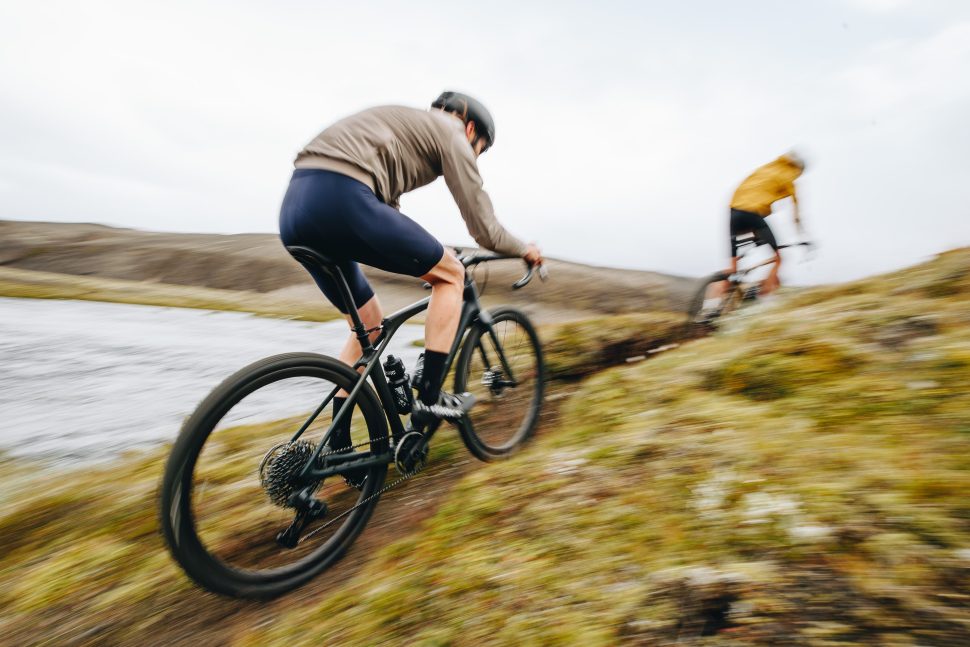
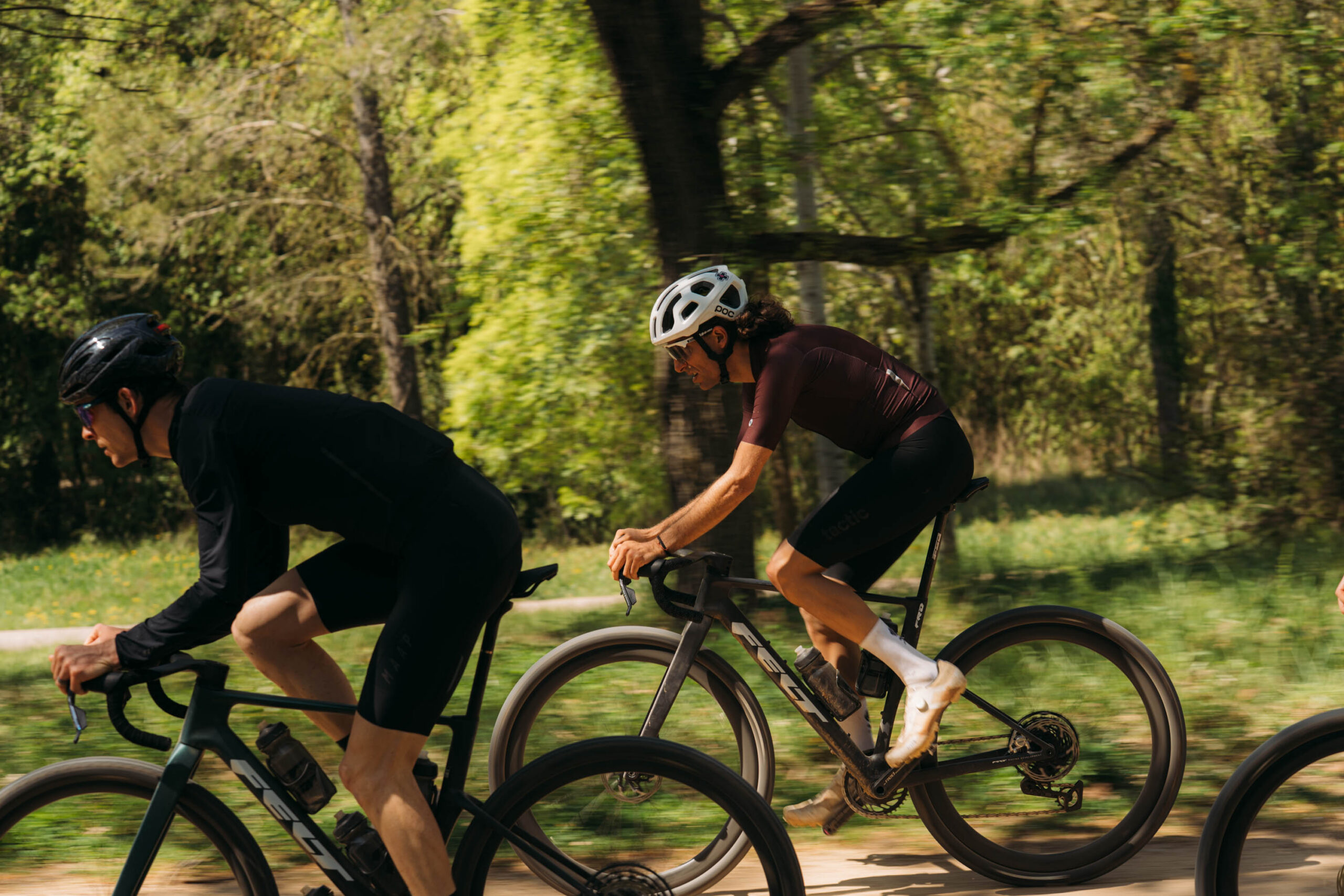
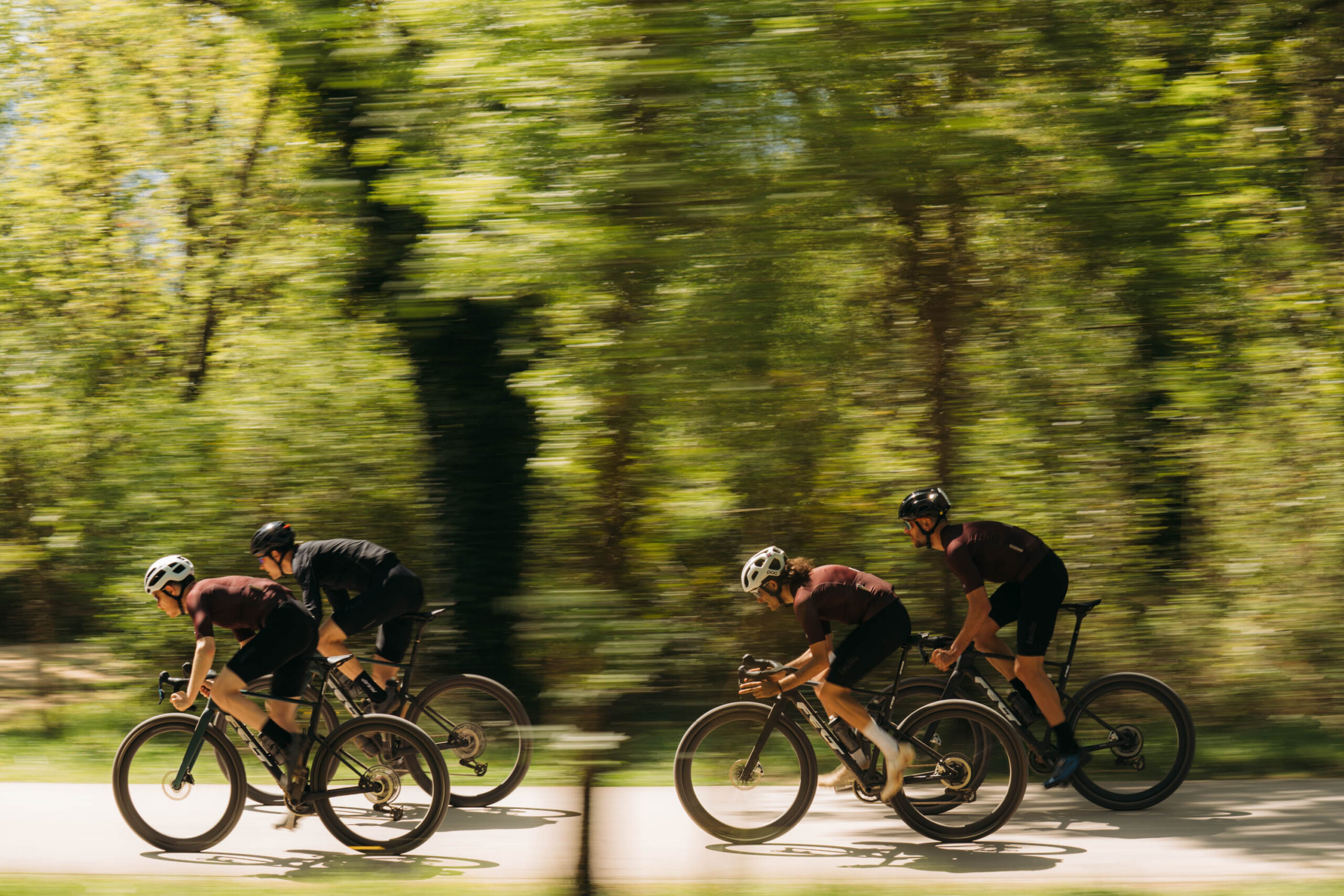
Felt is back in the conversation. Under new independent ownership — Cesar Rojo and Florian Burguet took full control of the brand just months ago — the California brand is opening 2026 with a completely reworked Breed gravel bike that hits the spec sheet hard: a 950g frame, a 22.8% weight reduction from the previous generation, and a 10.5% aerodynamic drag reduction. That’s not incremental. That’s a ground-up rebuild with a clear race mission.
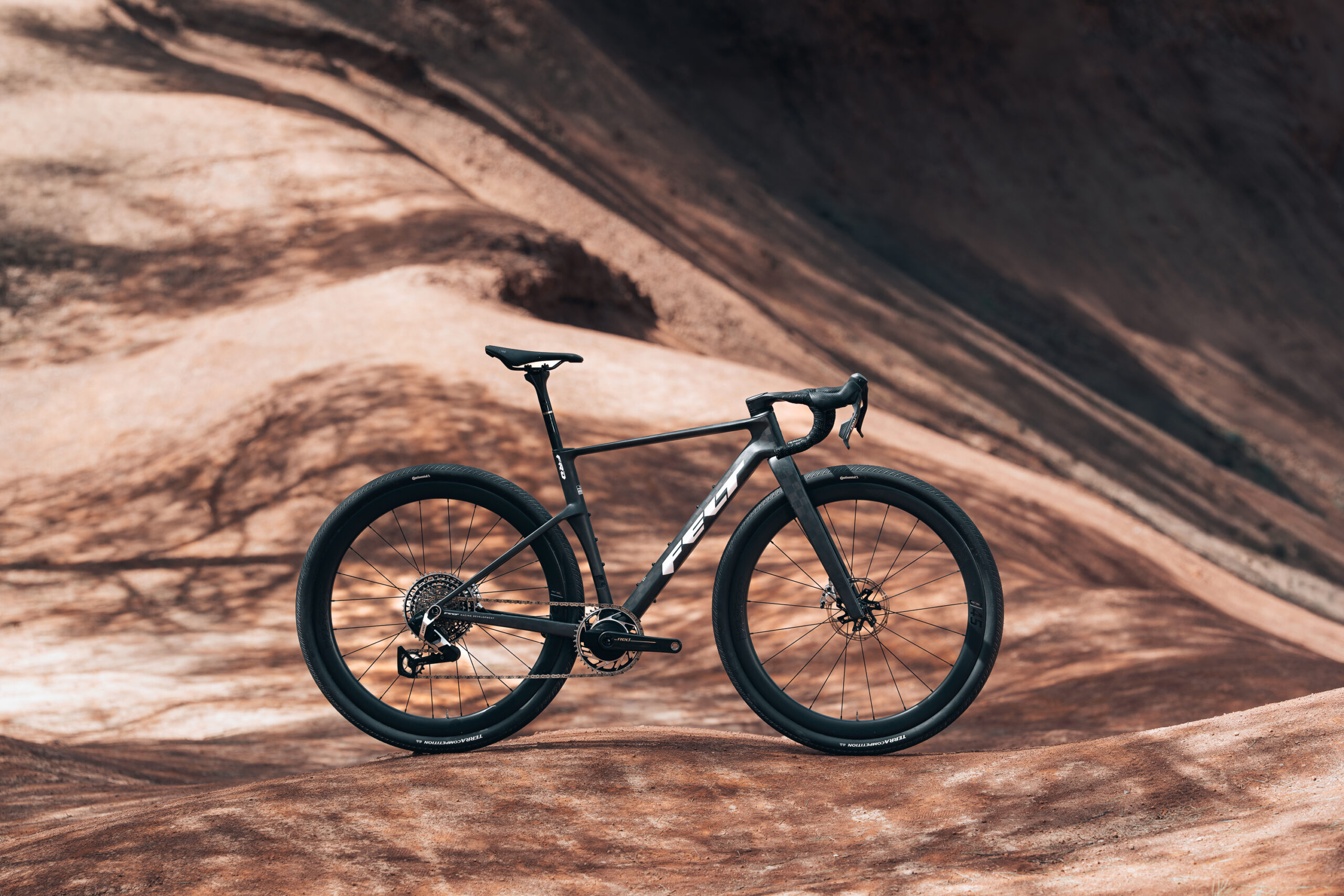
Three Pillars: Aero, Weight, Fit
Felt structured the entire Breed redesign around three pillars. They’re not novel as marketing categories, but the execution details are worth unpacking.
Aerodynamics
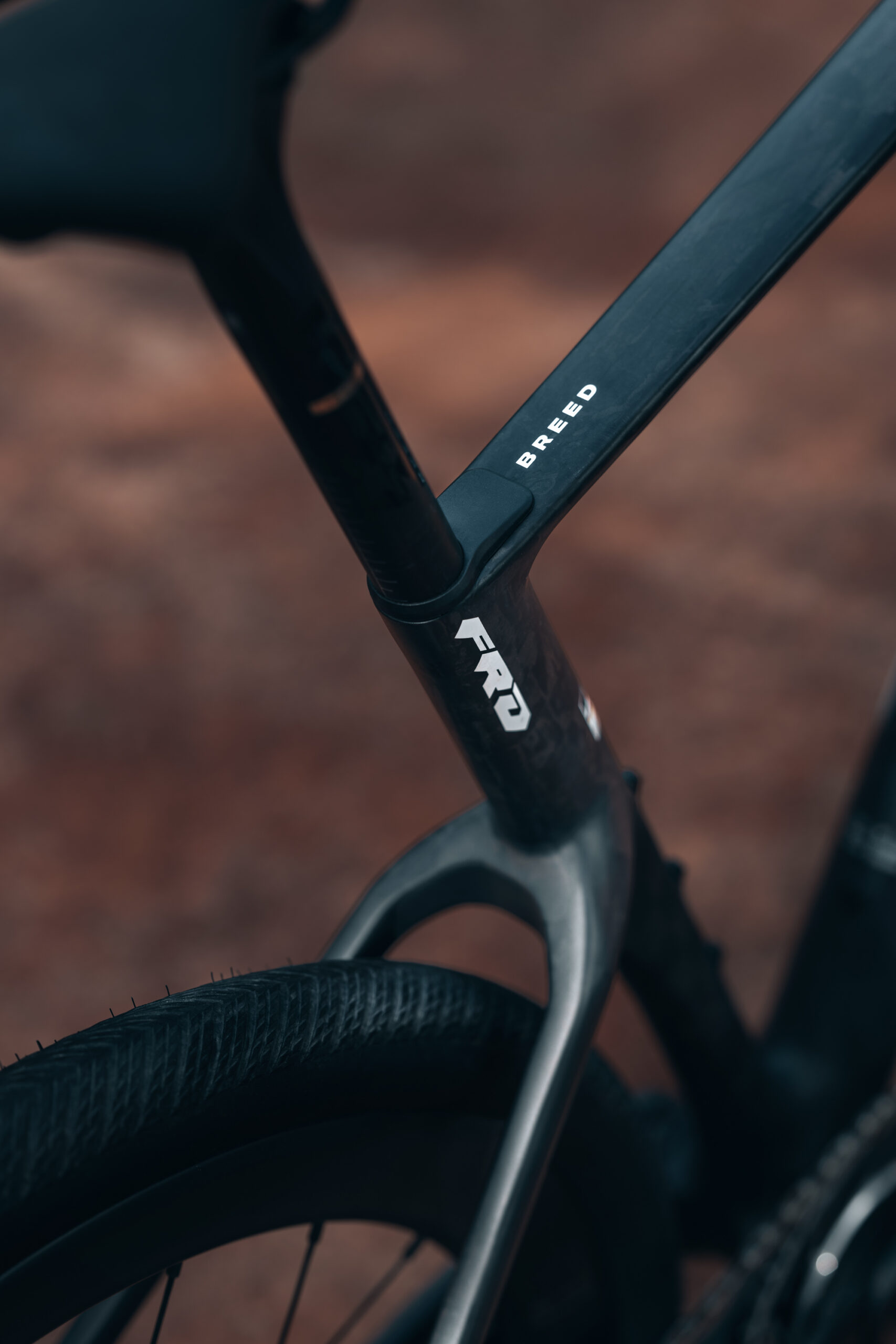
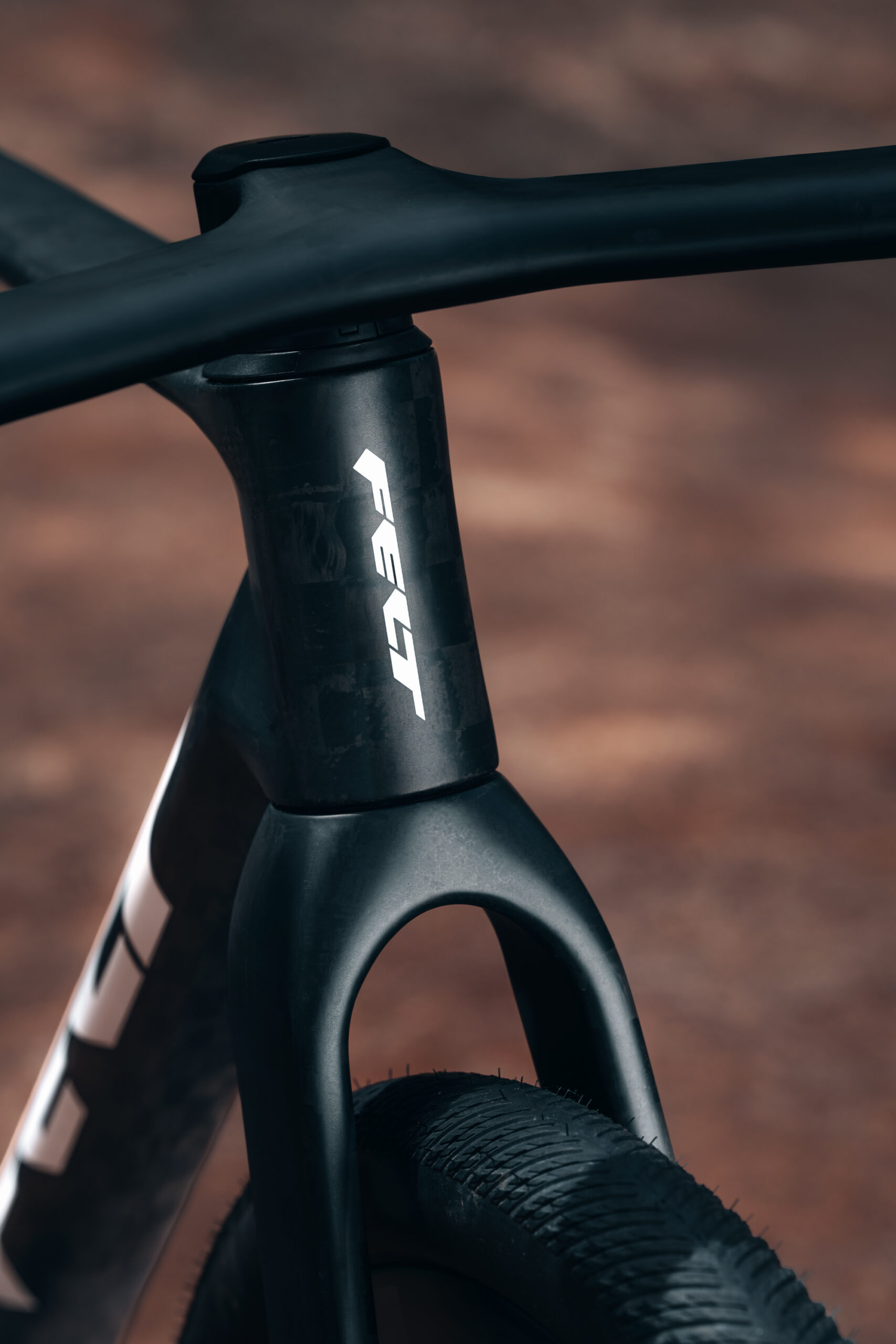
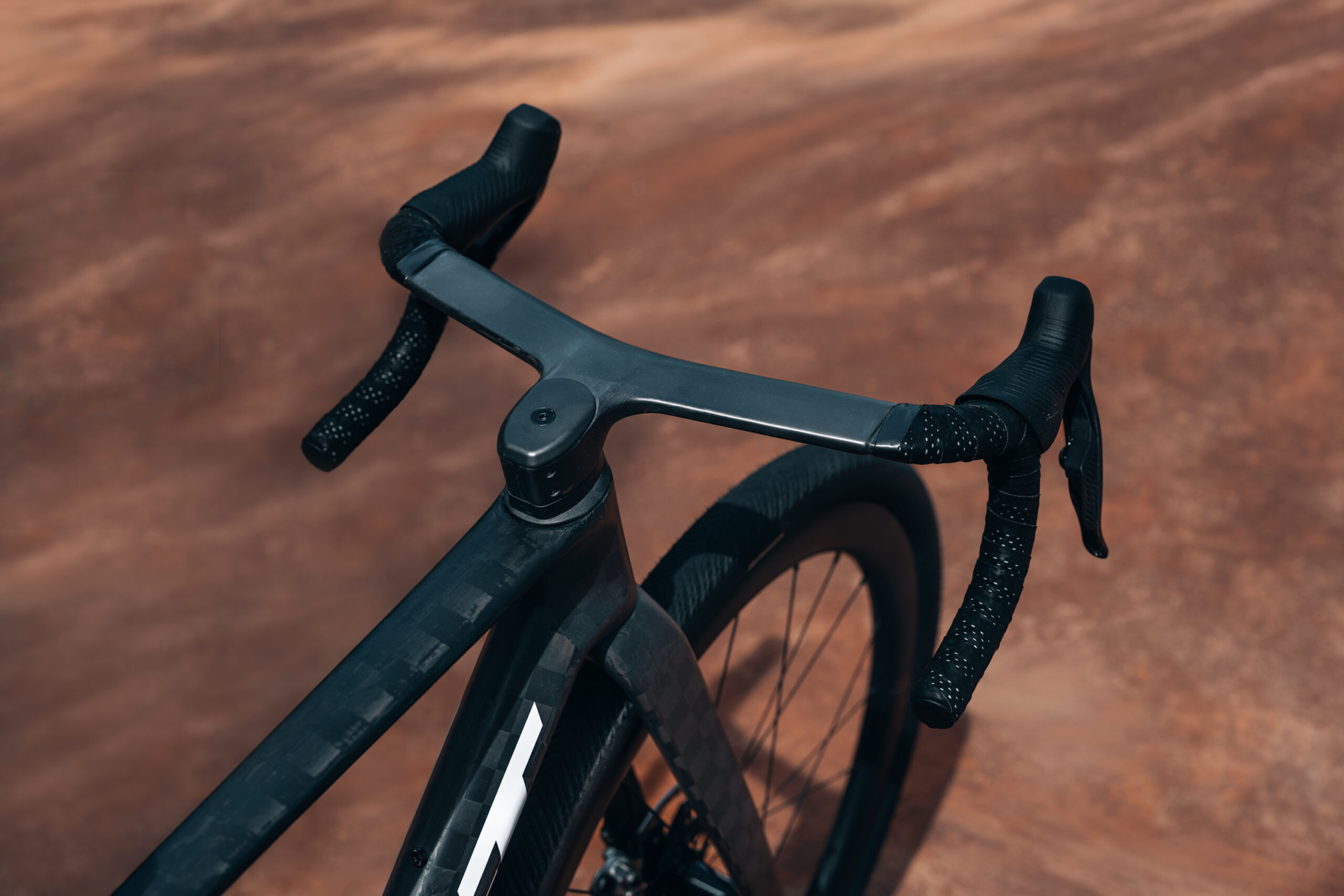
The 10.5% drag reduction comes from three elements working in concert: reworked tube profiles with cleaner airflow transitions, a redesigned fork optimized for wider tire clearance (managing the aero penalty that wide tires introduce), and a new integrated carbon one-piece cockpit. That cockpit is doing a lot of work — it reduces frontal area and eliminates the messy airflow around a traditional stem/bar junction.
Felt also lowered the frame stack and repositioned the seatstays — the stay drop is a small but meaningful aero move that cleans up airflow exiting the rear triangle. It’s the kind of detail that adds up when you’re chasing 10%.
Weight
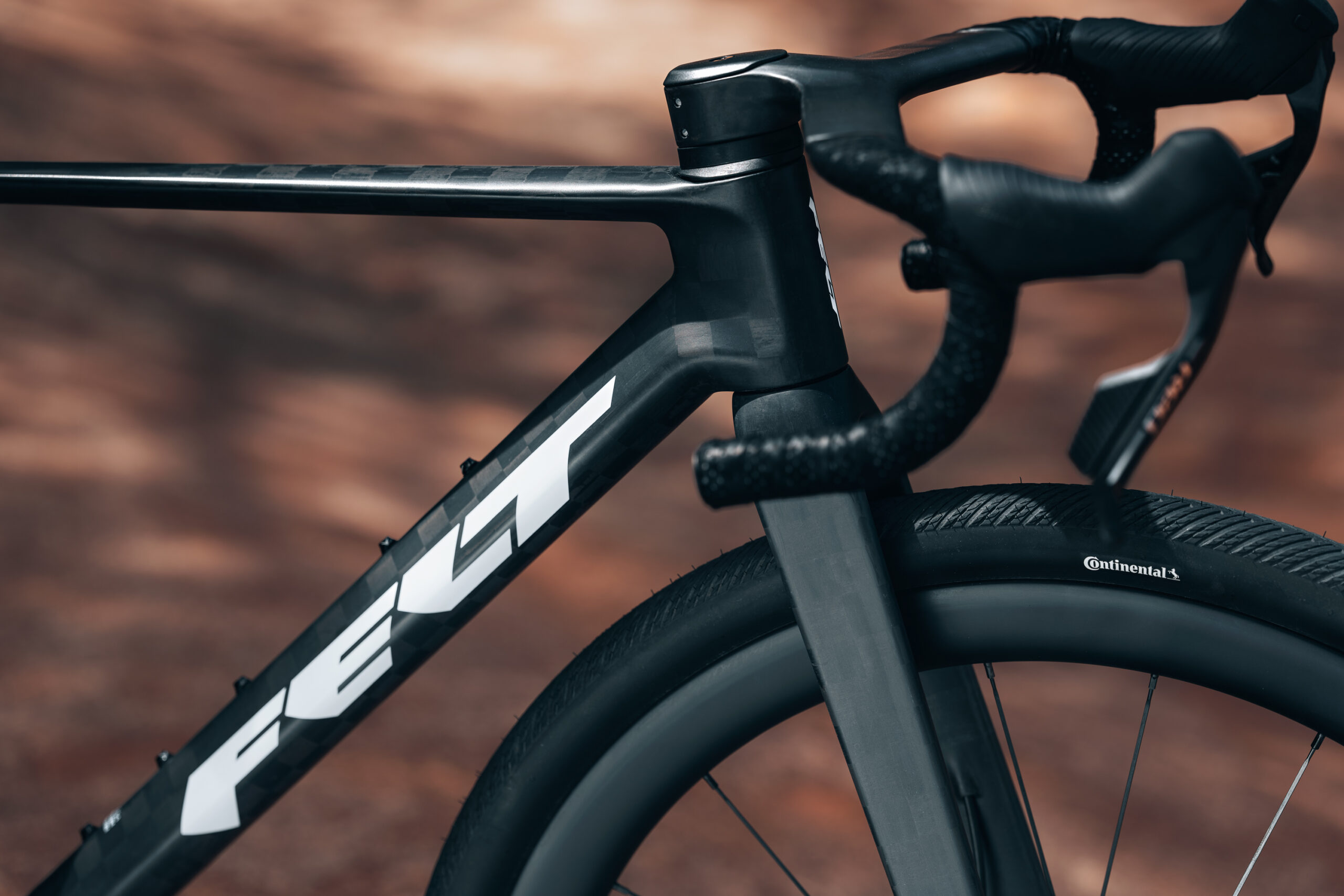
The 950g frame weight is the headline. Felt used Finite Element Analysis to map stress distribution across the frame, reinforcing high-load zones while thinning out sections that don’t need material. The result is a frame that’s simultaneously lighter and stiffer — which is the right answer, not a compromise. They achieve the stiffness increase through strategic tube diameter changes rather than adding carbon mass.
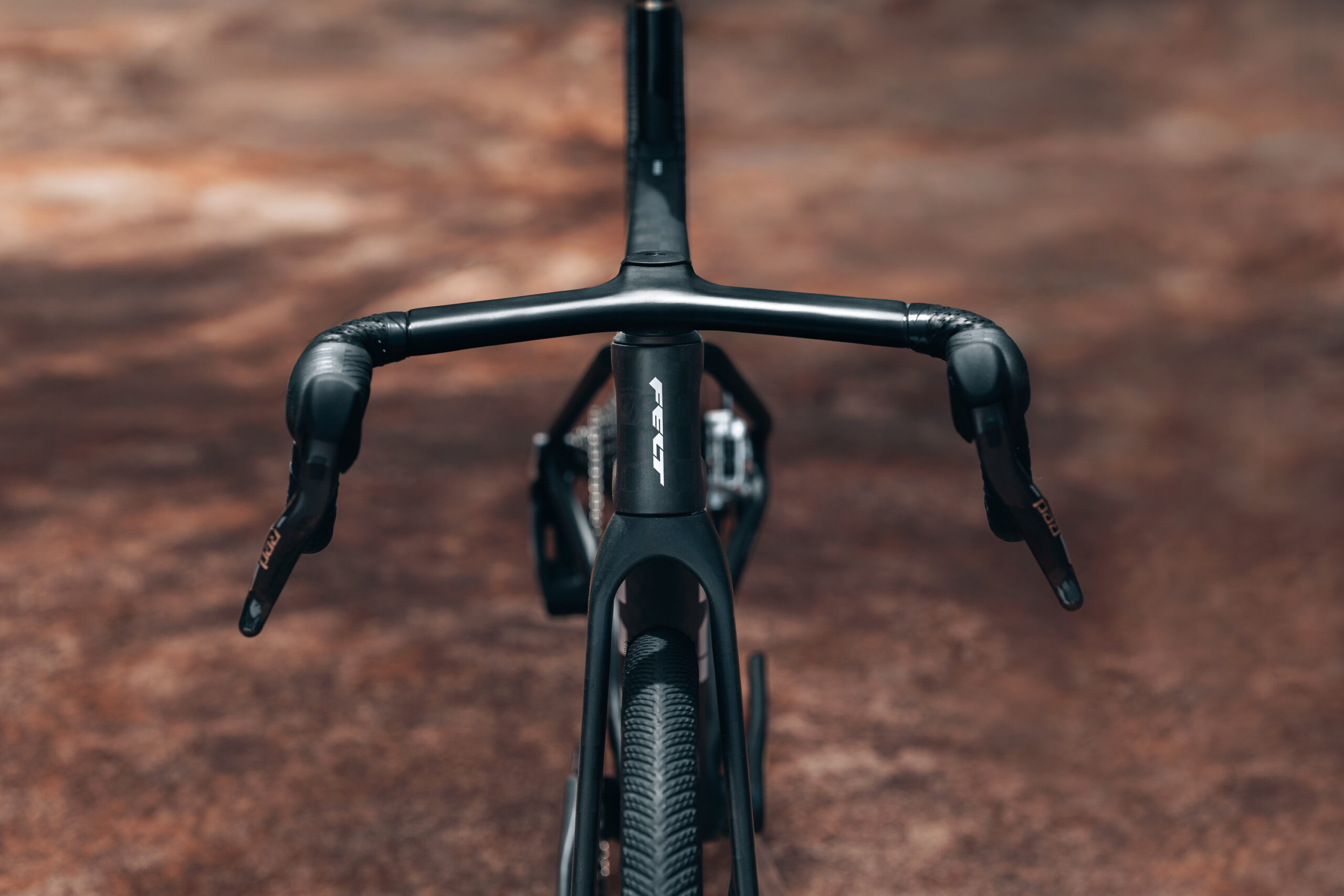
The integrated carbon cockpit pulls more weight off — Felt claims it’s about 30% lighter than a conventional aluminum stem and bar combo. Given that a traditional cockpit can run 400-500g, that’s 120-150g saved right there, contributing meaningfully to the 7.037kg FRD build weight.
Fit
Felt holds reach and stack consistent across all six sizes rather than scaling them proportionally. That’s a specific philosophy — every rider on every size gets the same racing position, which makes the bike feel more like a road bike wearing gravel clothes than a dedicated gravel rig. Combined with a slacker head tube and longer wheelbase for gravel stability, it’s a geometry that would feel immediately familiar to a road racer crossing over.
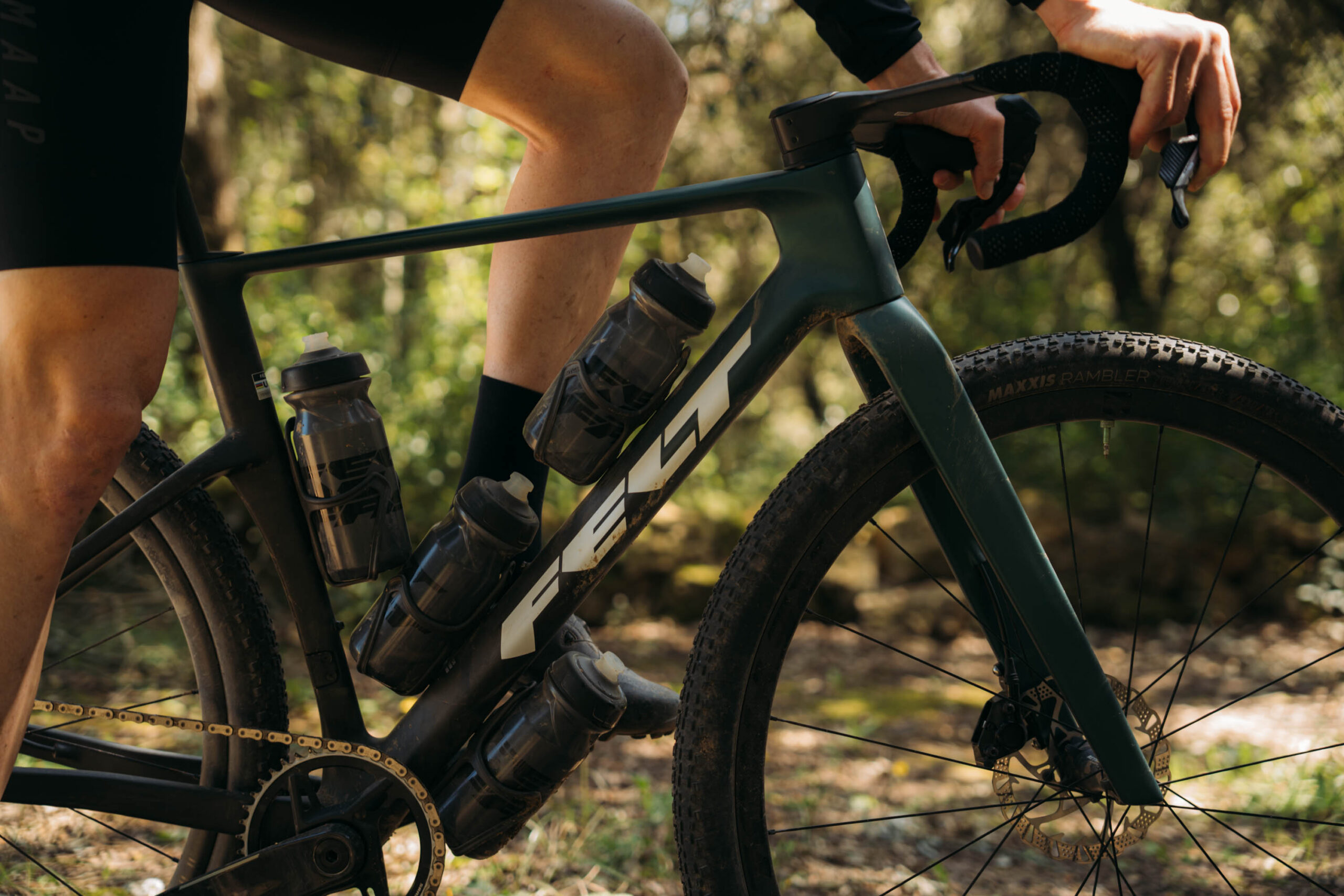
Tire clearance hits 54mm up front and 52mm rear — wide enough for most gravel racing scenarios. The Breed also supports a suspension fork and dropper post, which is increasingly table stakes in this segment. Four bottle cage mounts are a welcome inclusion for longer efforts.
The Build Lineup
Four complete builds plus a frame kit, spanning from race-accessible to outright race-ready:
| Build | Frame Carbon | Groupset | Wheels | Weight |
|---|---|---|---|---|
| Race | UD Carbon STD | SRAM Apex + S1000 Eagle | Vision Team 30 | 9.284 kg |
| Expert | UD Carbon STD | SRAM RIVAL | Vision SC45 | 8.302 kg |
| Pro | FRD 12K Carbon Light | SRAM FORCE | Vision SC45 | 7.864 kg |
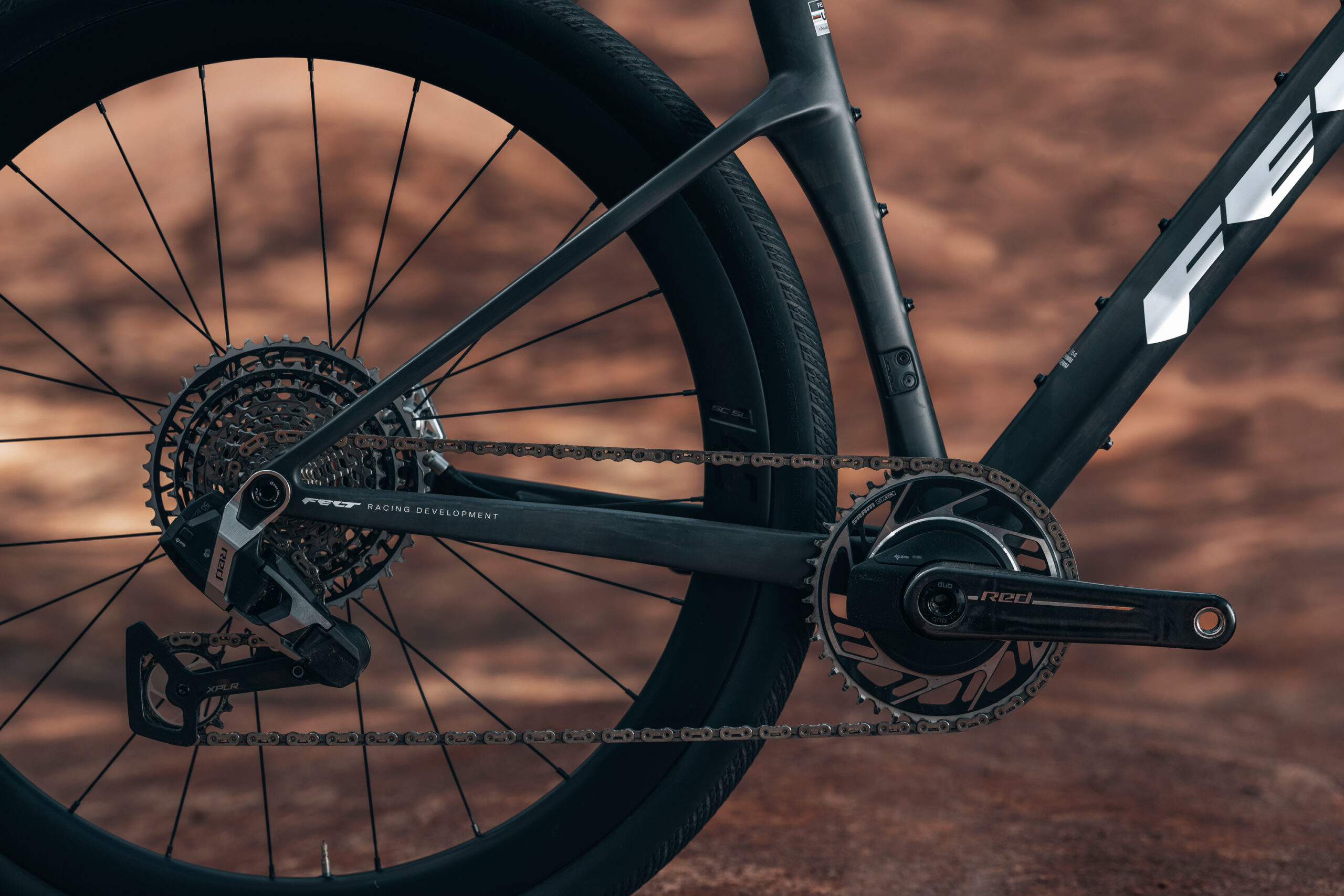
| FRD | FRD 12K Carbon Light | SRAM RED | Vision SC45 SL | 7.037 kg |
The split between UD Carbon STD (Race/Expert) and FRD 12K Carbon Light (Pro/FRD) is where the real weight savings live. If budget allows the jump to Pro, you get the better carbon and SRAM FORCE — which is currently one of the strongest value propositions in electronic gravel groupsets. The FRD is the flagship, but the Pro build is the sweet spot for most serious racers.
The Independent Angle Matters
It’s worth noting what’s happening at the brand level here. Felt has been through corporate ownership structures that often flatten a brand’s identity. Rojo and Burguet running the company as an independent operation — their first major product launch under full ownership — signals intent. When decision-making isn’t filtered through a parent company’s margin requirements and product portfolio logic, bike brands tend to make more coherent engineering choices. The Breed’s performance numbers suggest that’s happening at Felt.
For more details and the full spec breakdown, visit feltbicycles.com. Original coverage via Bikerumor.
Community Discussion
GravelNerd_Marco — May 8, 2026
That 950g frame number is striking — most of the competition in this segment is still hovering around 1,050-1,100g. The FEA-driven layup approach is smart engineering, not marketing speak. What I want to know is: does the integrated cockpit system accommodate different bar widths and drop/reach combos? That’s the part that makes or breaks an integrated setup for riders with non-standard fit requirements.
Editor Reply — May 8, 2026
Great question — Felt hasn’t published a full compatibility matrix yet, but integrated cockpits of this type typically come in 2-3 width options with fixed drop/reach geometry. It’s the classic tradeoff: you get the aero and weight savings, but custom fit becomes more constrained. Worth reaching out to Felt directly if you’re on the edges of standard sizing.
PiedmontPacer — May 8, 2026
Good to see the independent ownership story getting some traction. The cycling industry has watched too many heritage brands get absorbed and genericized. If Rojo and Burguet can keep the race program funded and the product line focused, Felt has real brand equity to rebuild on. The previous Breed’s podiums were earned on difficult terrain — that lineage is credible.
Editor Reply — May 8, 2026
Agreed. The timing matters too — they’re entering 2026 as an independent right when gravel racing is still growing globally. If the Breed can perform at events like Unbound or Traka with the new spec, the brand narrative writes itself.
WattsAndGravel — May 8, 2026
The 7.037kg FRD build is genuinely impressive for a gravel platform, but I’d be curious about the real-world aero numbers vs. just CFD/tunnel claims. A 10.5% drag reduction sounds huge, but what yaw angle range was that measured at? Gravel racing involves constant speed and direction changes — the aero benefit at 8° yaw on a smooth section may not translate to the same gains on a technical segment at 15 mph.
Editor Reply — May 8, 2026
That’s the right skeptic’s question. Felt hasn’t released their testing methodology publicly. The 10.5% figure likely represents optimal conditions — probably 10-12° yaw at 40+ kph — which is where the aero gains are most measurable. In technical or slow terrain, the weight saving (22.8%) will matter far more than the drag reduction. Both numbers working together is where the real-world performance gain comes from.
LoudounGravelier — May 8, 2026
The 54/52mm tire clearance is the sleeper spec here. At those widths you can run proper 50mm rubber for technical gravel without fighting the frame, which changes the ride character completely. Combined with the dropper post compatibility — the Breed is positioning itself for the increasingly aggressive end of gravel racing, not just the smooth fast stuff. Interested to see how it handles East Coast gravel in the fall.
Editor Reply — May 8, 2026
Exactly right — 54mm up front paired with suspension fork compatibility is a meaningful capability unlock. That setup with a Fox 32 or RockShox Rudy opens the door to terrain most “race” gravel bikes can’t handle confidently. The Breed is clearly targeting the segment between pure road-gravel crossover and full adventure bike. East Coast fall gravel would be a great proving ground for it.